Finding Presence in Documentary Cinematography
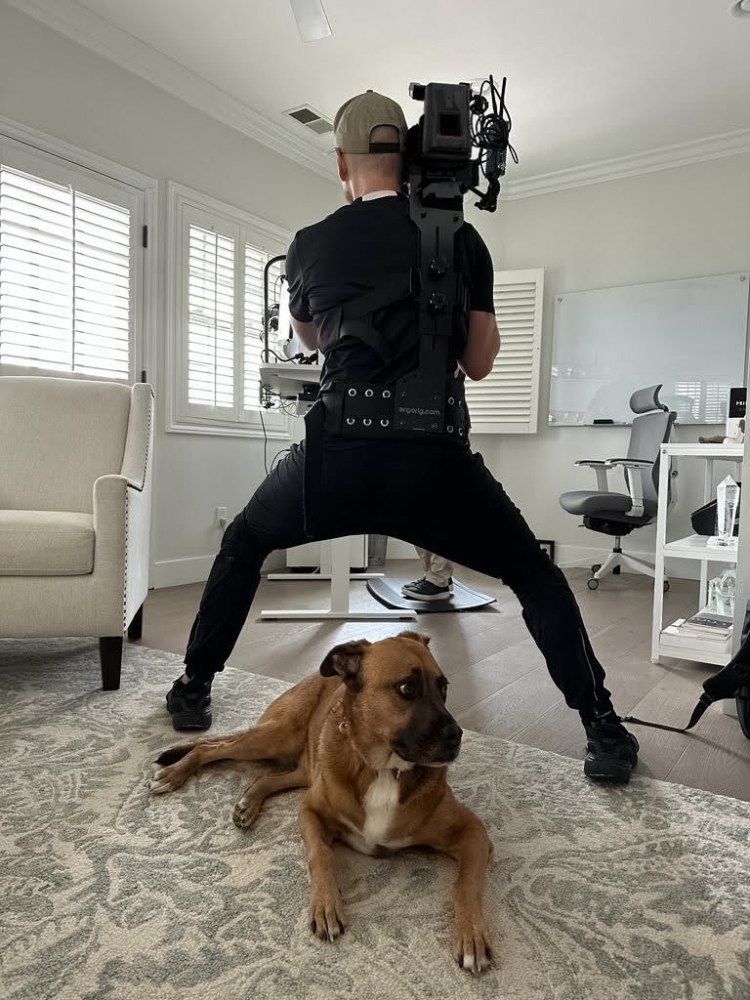
Shooting vérité becomes my own form of yoga and meditation. It is a state of no mind and full body awareness. One eye stays in the viewfinder. The other eye scans the room. I listen for a sharp breath or the slight warble of a voice that tells me to tilt just as a hand reaches for a parent’s hand. I build coverage as I go: closeups, reactions, subtle moves that editors will later depend on. Staying on a safe wide shot is never an option for long.
In documentary cinematography there is a common belief that one camera equals intimacy and that more cameras turn a scene into empty coverage. The truth is more nuanced. A single camera can reach incredible depth, but multi camera documentary filming can also feel authentic if it is done with the right mindset. Decades of factual and unscripted television have created habits that sometimes get in the way.
As a Director of Photography on a multi camera hybrid series or a single camera vérité documentary, I focus less on the number of cameras. Instead, I concentrate on how we use them. A multi camera documentary crew can stay almost invisible and let subjects live their real lives on screen, but only if every operator shares the same approach: presence over performance.
The Myth of the Fly on the Wall
The phrase “fly on the wall” is appealing: small, unnoticed, out of the way. But trust does not come from simply being unobtrusive or using a small camera. I filmed scenes in Much Too Young because of the relationships I built. Often that connection starts before the camera is ever on my shoulder. Budgets and schedules rarely leave much space, but I try to make time by chatting about the weather, sharing a bad dad joke, or telling a story that sparks conversation. Whether there is one camera or three, the work is the same: you have to earn acceptance.
Choosing Single or Multi Camera
I think carefully about when to stay single camera and when to add more, but the decision is often made before I arrive. My role is to shape how that choice works in practice and to adjust my approach depending on the operators available and the story we are trying to tell.
There is a simplicity to one camera that can go very deep. It forces the operator to stay present, to anticipate, to compose in the moment, and there is an inherent light touch that is powerful.
Two cameras can be valuable when they are in sync and both operators are listening and anticipating together. They can also work against the story if they are used only for a wide and a tight. That approach often creates what I think of as “b-roll with lift-up scenes,” where vérité becomes wallpaper behind interview talk lines instead of carrying the heart of the story. In that setup, the unscripted shooting becomes punctuation rather than narrative.

Adding a third camera can change everything. It gives A and B cameras freedom to follow the narrative and take creative risks, knowing there is a safety net. Multi camera works best when every operator understands the story being told and shoots for scenes, not just coverage. When that happens, the edit can move like a lived moment instead of jumping back to talking heads. It is deeply satisfying to watch a multi camera vérité sequence hold on its own, carrying dialogue, emotion, and movement like a scripted scene while staying entirely real.
I know many productions have their own editorial needs and budget realities, and interviews drive much of unscripted television for good reason. My own approach is simply to ask how cameras can serve the story rather than just decorate it.
Multi Camera in Practice
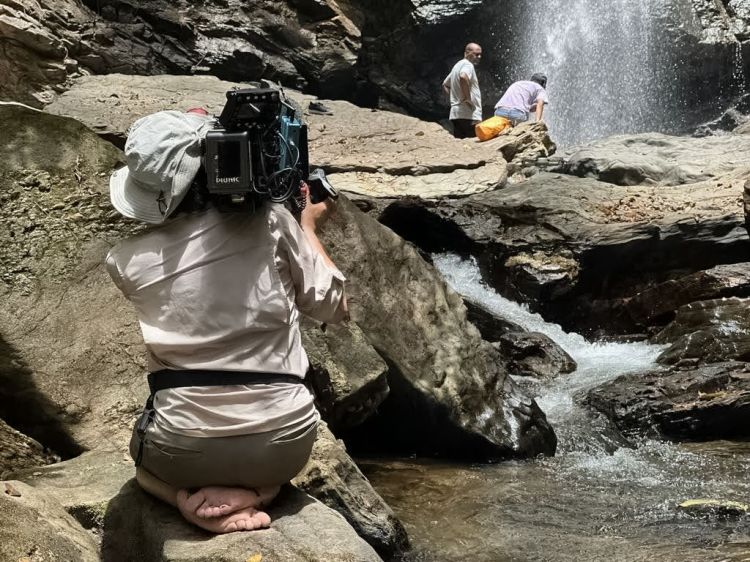
On How I Got Here, a Toronto-based travel and adventure documentary series now nominated for an Emmy for Outstanding Travel and Adventure Series, we often ran three cameras as families explored deeply personal journeys. The trips are curated, but the emotion is real. Our job as a documentary cinematography team was to capture unguarded moments from multiple angles without breaking trust, while also giving editors the material to compress long, emotional days into powerful sequences. I like to think that the way we let those vérité scenes breathe played a part in the show’s recognition.
I had worked with multi camera on factual shows for years, but I began to see its real narrative power on The Life Story Project and later on CBC’s Hello Goodbye. Spending months in Toronto’s Pearson International Airport filming more than 200 intimate interviews with other operators taught me how real-time reaction shots and layered coverage can make unscripted scenes cinematic and let editors move a story forward without losing authenticity.
We plan lenses and positions carefully, staying in quiet contact with the director at video village. Each camera has a role: a wide anchor, a mid emotional read, and one or two floating close ups. Communication stays minimal. The host leads the interaction, creating a production free bubble around the people we are filming. The coverage is there, but the human moment stays protected.
What It Comes Down To
At its heart, documentary filmmaking is not about the number of cameras but about telling the most truthful story possible. Multi camera documentary filming is just a tool. It succeeds when the crew moves lightly, listens first, and leaves room for what is unplanned. This is why, whether I am filming an intimate vérité scene or a hybrid documentary series in the world of unscripted television, I keep returning to the same principle: presence over performance. The camera is never invisible, but it can be accepted, and that is where the real story lives.
 Russell Gienapp
Leave a comment