It is easy to believe that capturing intimacy on camera comes from using smaller gear or a lighter footprint. I would argue it comes from the relationship built on both sides of the equipment, regardless of size. Witnessing moments that the ones we experience on How I Got Here happen because of the software not the hardware.
For me, that relationship is more than familiarity it is a quiet ethos. I am not just taking, I am traveling alongside the people in front of the lens. The camera never disappears, but its weight shifts and stops being the most important thing in the room. I can’t fully explain why a scene feels stiff and self-aware one day and, two days later, someone turns mid-conversation and says, “I forgot the camera was even here.” But the magic that unfolds when that acceptance arrives is undeniable.
That trust is what makes a series like How I Got Here work. Yes, it is a curated journey. The locations, the encounters, the activities are carefully planned. But the families’ stake is real. They are digging into their own history and identity. When the production gets the curation right, it does not flatten the experience; it deepens it. The size of the gear doesn’t give a crew the access needed to follow those emotional turns so closely.
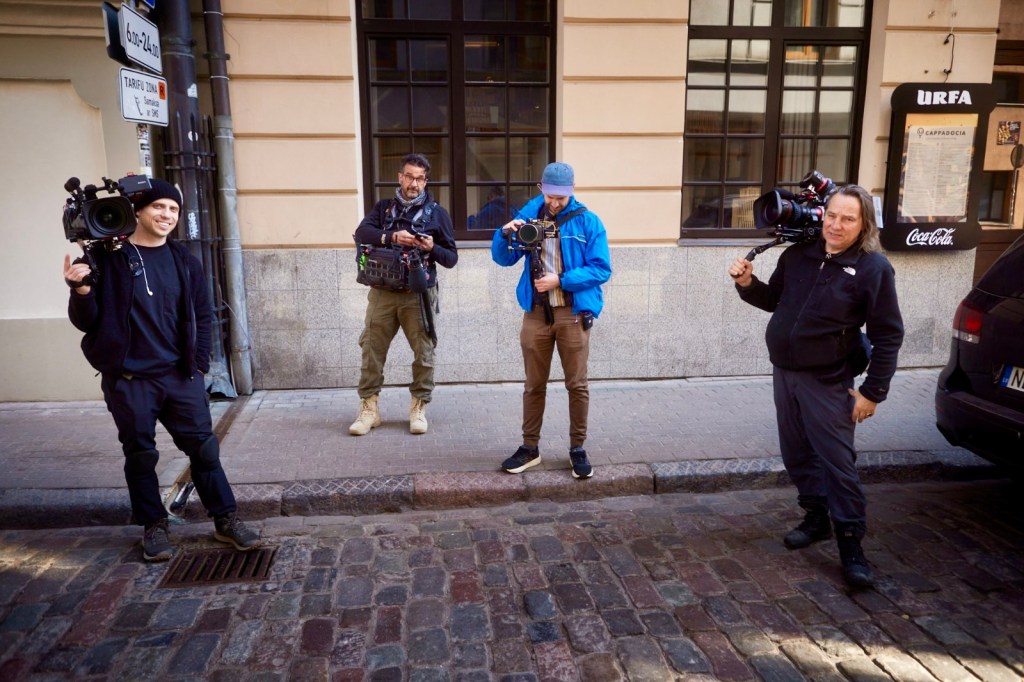
You Can’t Hide This
This is the craft I return to: presence over performance. The camera is never invisible. It remains part of the room, part of the exchange. But when we move with care and listen first, it becomes accepted. On How I Got Here the crew is thrown together with the family for two weeks and bonds form quickly on the run. On vérité documentaries, I learned to spend more time with the camera off my shoulder. As things move forward, that acceptance draws the cameras closer to the subjects. They know that I unconditionally respect the relationship we have created.
On Hello Goodbye I learned how to protect the bubble of a real moment in the middle of a crowded airport. On Much Too Young and Political Blind Date I learned how to shield people from feeling the machinery of production. The less I asked of them to fulfill an editorial need, the more they gave back by being present in their own story. These lessons shape how I direct, how I shoot, and how I ask my fellow camera operators to work. We build space in planned productions for what is unplanned.
I hope the How I Got Here reel linked above conveys some of what we experienced in making the series. I believe its nomination this year for Outstanding Achievement in a Travel and Adventure Series is due to the crew’s teamwork. They created space for families to live their lives. In turn, this brings that very real experience to audiences.
Hybrid productions like How I Got Here demand a balance of story structure and real human spontaneity. Directing in these spaces has been a real eye-opening experience. I have learned to help the participants of the film feel ownership of their story first. Then I shape the cinematic visuals around that without interrupting the moment.
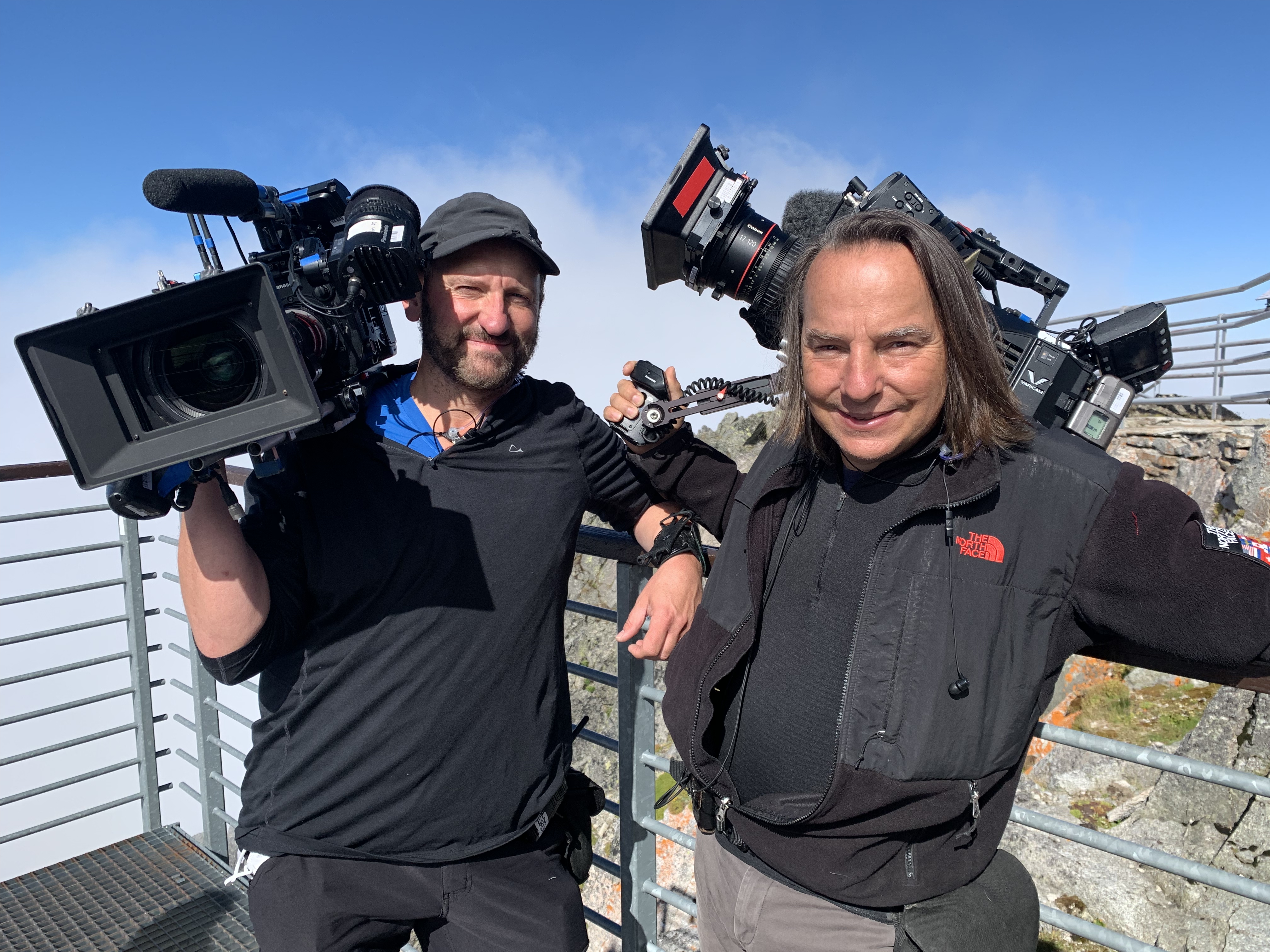
 Russell Gienapp
Leave a comment